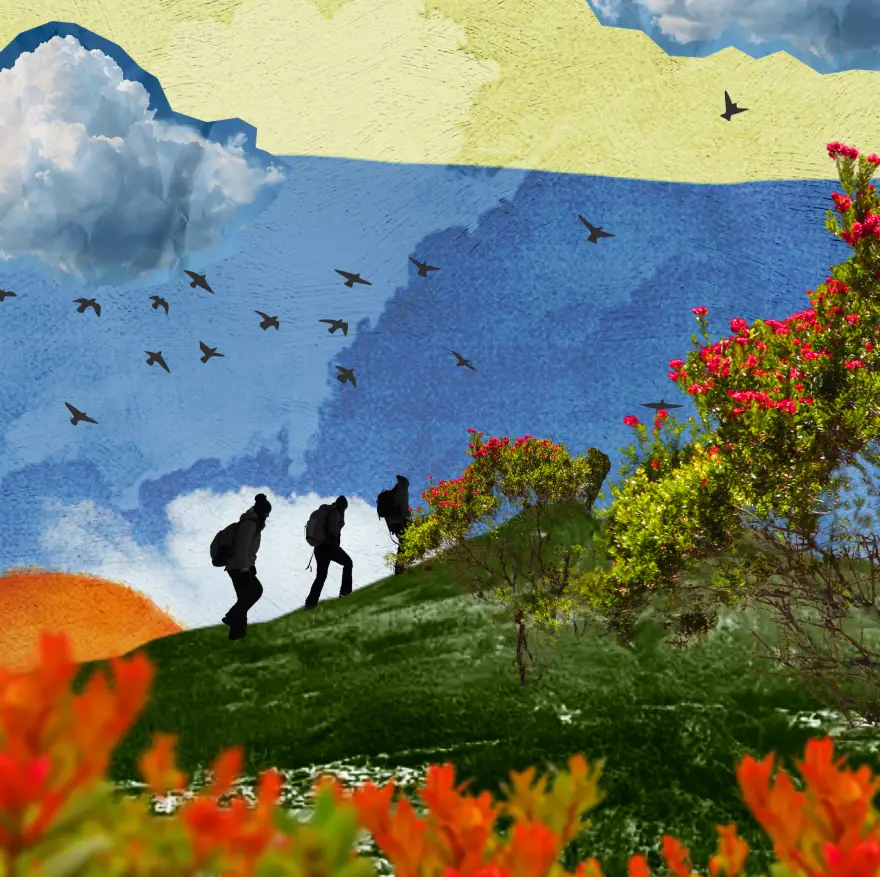
Expedition to Study Cantigi Above the Clouds
31 January 2026
The UMS research team climbed Mount Lawu to explore cantigi. An endemic plant containing anti cancer compounds.




Visiting the sick is not merely a form of social courtesy, but an integral part of Islamic teachings that holds spiritual value as an act of worship. This practice, known as iyādah al-marīḍ, reflects empathy, compassion, and a sense of brotherhood in social life.
Islam encourages visiting the sick and provides clear guidelines on proper etiquette, so that such visits truly bring comfort, goodness, and benefit to both the patient and the visitor.
Nurul Latifatul Inayati, S.Pd.I., M.Pd.I., a lecturer in Islamic Education at Universitas Muhammadiyah Surakarta (UMS), emphasized that the command to visit the sick has a clear basis in Islamic law. One of the references is an authentic hadith narrated by Al-Bara:
عَنِ الْبَرَاءِ الْبَرَاءِ ، قَالَ : ” أَمَرَنَا النَّبِيُّ بِسَبْعِ، وَنَهَانَا عَنْ سَبْعِ: أَمَرَنَا بِعِيَادَةِ الْمَرِيضِ، وَاتَّبَاعِ الْجِنَازَةِ، وَتَثْمِيتِ الْعَاطِسِ، وَإِجَابَةِ الدَّاعِي، وَرَةِ السَّلَامِ، وَنَصْرِ الْمَظْلُومِ، وَإِبْرَارِ الْمُقْسِمِ
Meaning: Al-Bara narrated: “The Prophet (peace be upon him) commanded us to do seven things and forbade us from seven others: he commanded us to visit the sick, attend funerals, say yarḥamuka Allāh (may Allah have mercy on you) to one who sneezes, accept invitations, return greetings, help the oppressed, and fulfill the oath of one who swears.” (Hadith narrated by Bukhari No. 6294 and Muslim No. 5510)
“Visiting the sick is a deed that is promised great reward, as well as blessings and mercy from Allah Subḥānahu wa Ta‘ālā,” said Nurul on Monday (8/12/2025).
The etiquette of visiting the sick is also emphasized in another hadith. Rasulullah said:
قال رسول الله صلى الله عليه وسلم: « أَطْعِمُوا الْجَائِعَ وَعُودُوا الْمَرِيضَ وَفُكُّوا الْعَانِيَ [أخرجه البخاري]
Meaning: “Feed the hungry, visit the sick, and free the captive.” (Hadith narrated by Bukhari No. 5373)
According to Nurul, there are several important etiquettes that must be observed when visiting the sick, including:
1. Having a sincere intention
The visit should be carried out with the intention of worship and of helping to ease the patient’s feelings, not merely as a formality or a means of showing off one’s concern.
2. Not staying too long
People who are ill tire easily. Therefore, visiting for too long can actually add to their physical and mental burden.
3. Choosing the right time
Visiting the sick outside visiting hours, mealtimes, or rest periods can disturb the comfort of the patient and their family. Thus, it is important to choose an appropriate time to visit.
4. Maintaining personal cleanliness and health
If one is unwell, has the flu, or is not in good condition, it is better to postpone the visit. This is a form of responsibility so as not to worsen the patient’s condition.
5. Offering kind and comforting words
Words that are calming, motivating, and encouraging are far more meaningful than long, aimless conversations or topics that may cause anxiety.
6. Reciting prayers
Praying for the patient’s recovery is the essence of visiting the sick. One of the supplications recommended by the Rasulullah SAW is as follows:
اللَّهُمَّ رَبَّ النَّاسِ أَذْهِبْ الْبَاسَ اشْفِهِ وَأَنْتَ الشَّافِي لَا شِفَاءَ إِلَّا شِفَاؤُكَ شِفَاءً لَا يُغَادِرُ سَقَمًا
Meaning: “O Allah, Lord of mankind, the One who removes suffering, grant healing. You are the Most Healer. There is no healing except Your healing, a healing that leaves no trace of illness.” (Hadith Narrated by Bukhari)
Visiting the sick is a simple act, yet it is rich in spiritual and social meaning. This practice brings reward, strengthens human relationships, and becomes a tangible expression of compassion.
“A visit may not change a person’s medical condition, but it can nurture hope and inner calm, two things that are deeply meaningful for someone being tested by illness,” Nurul concluded.
Writer: Genis Dwi Gustati
Translator: Farizal Luqman Majid
Editor: Al Habiib Josy Asheva
The UMS research team climbed Mount Lawu to explore cantigi. An endemic plant containing anti cancer compounds.
Nothing’s more special than reading curated news just for you.
Subscribe to the UMS Newsletter for free today.