

Sujud Sahwi and the Completeness of Salah
6 February 2026
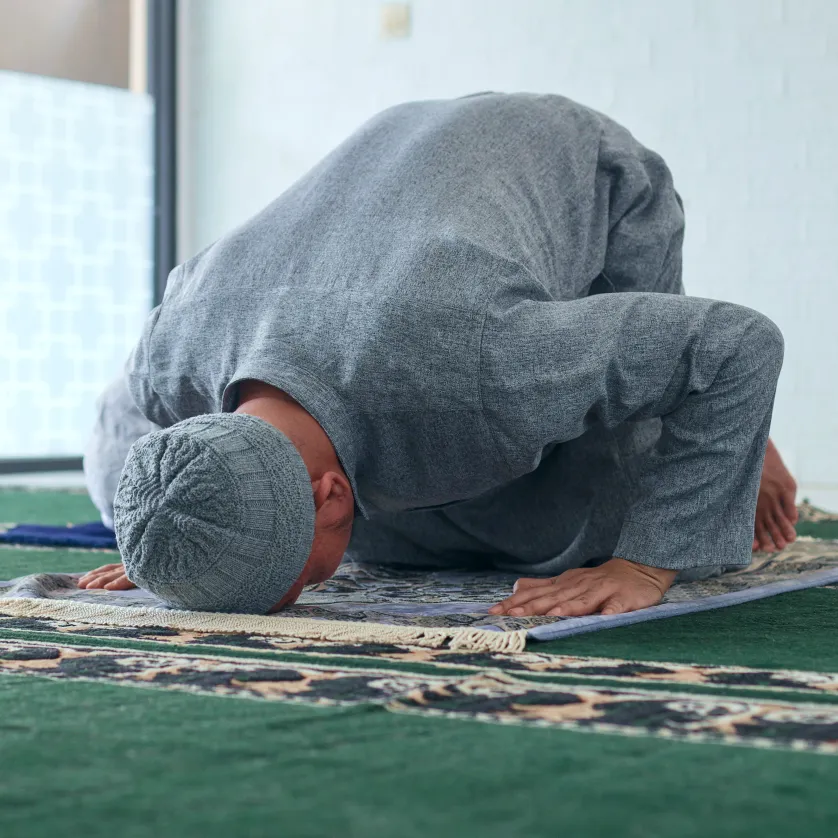
Do we still often feel anxious about the completeness of our salah? Islam deeply understands the forgetful nature of human beings by the rule of sujud sahwi.
UMS demonstrates its commitment and dedication to practicing the values of sustainability through its curriculum. This initiative is important in educating SDGs throughout teaching and learning activities. As a sustainability-friendly campus, this step ensures smooth integration of sustainable development goals into every academic spectrum constituting the heart of the university.
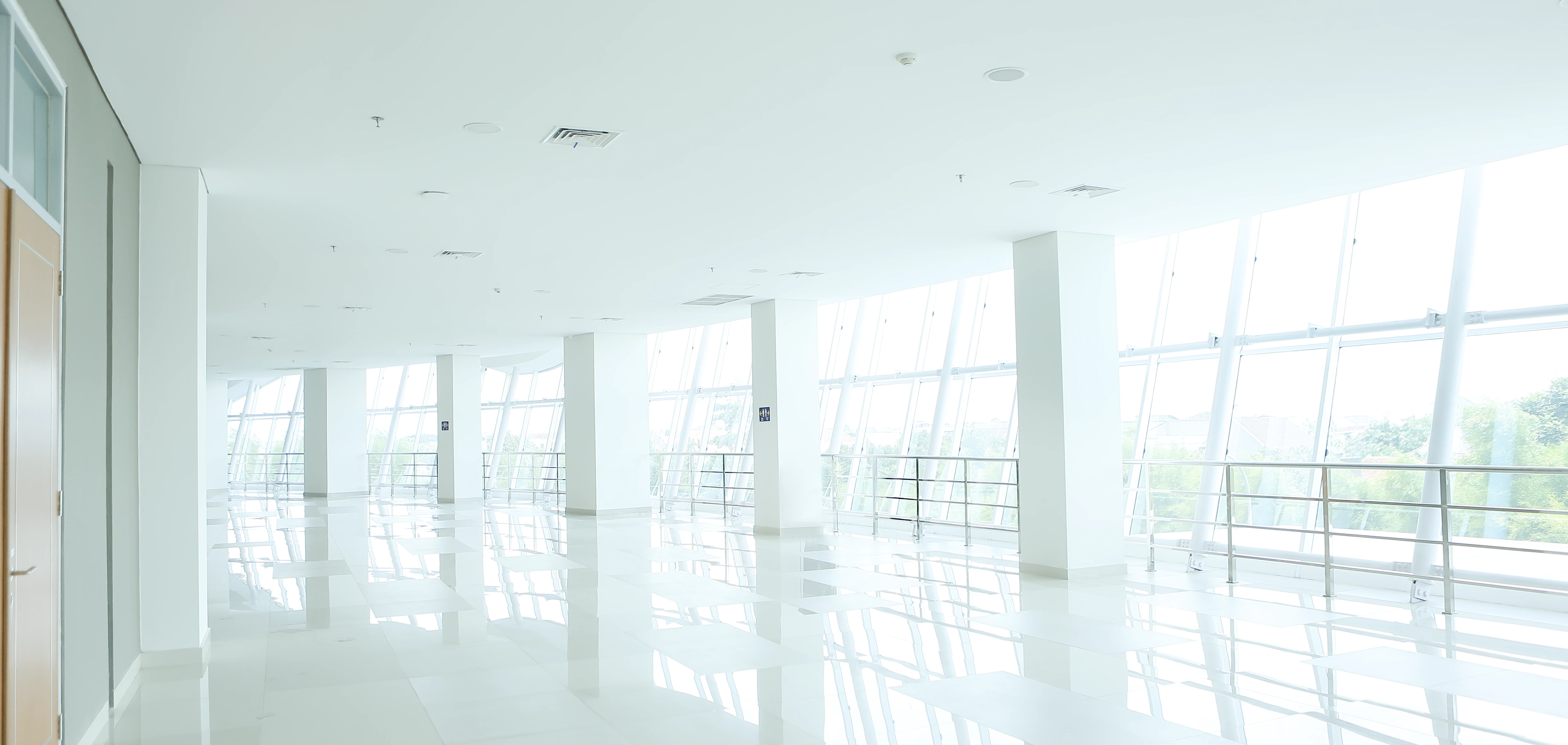
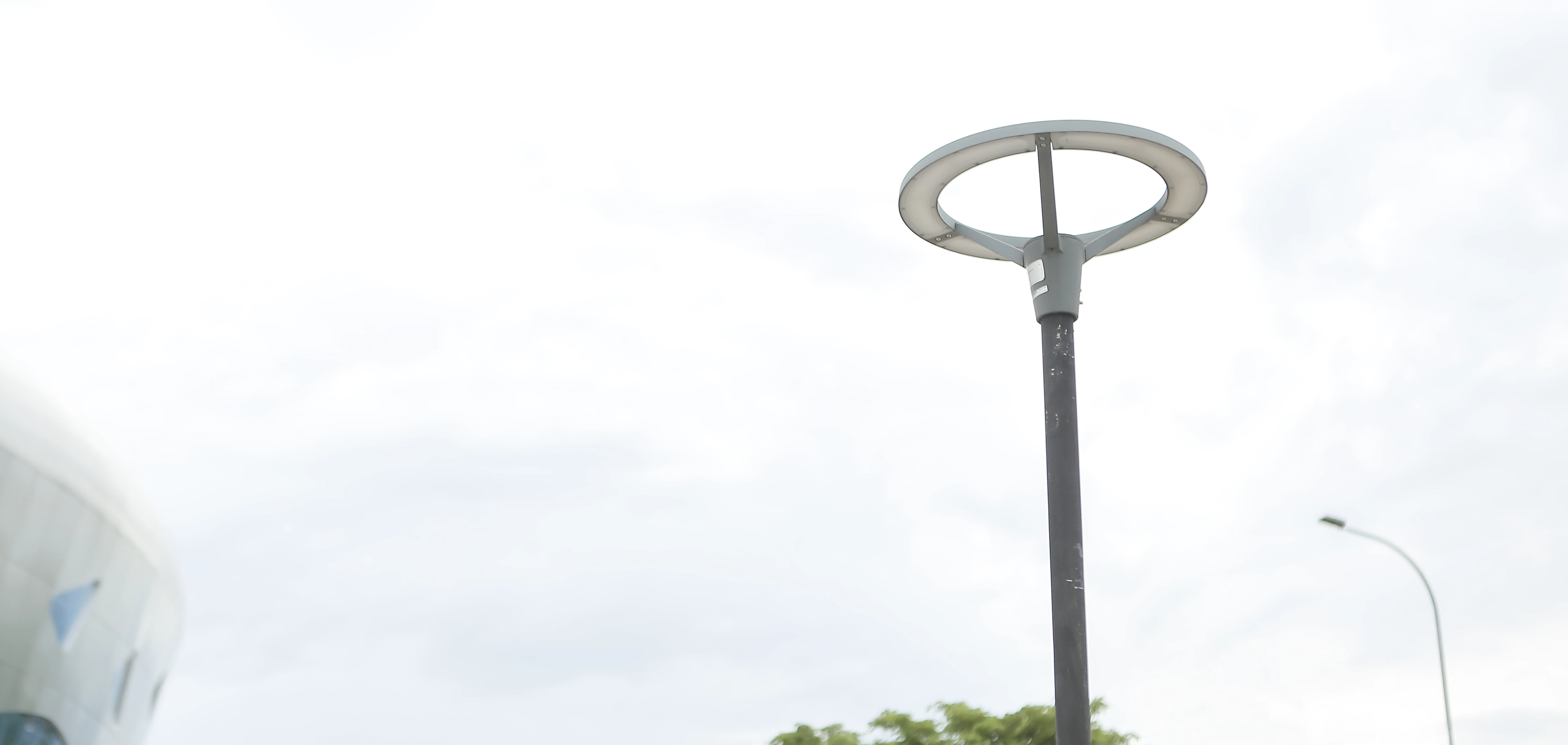
The buildings at UMS are designed to be energy-efficient, utilizing natural light for illumination, employing ventilation for clean air circulation, creating green spaces within the buildings, efficient waste and water management, and using renewable energy sources such as solar panels for electricity, among other practices.
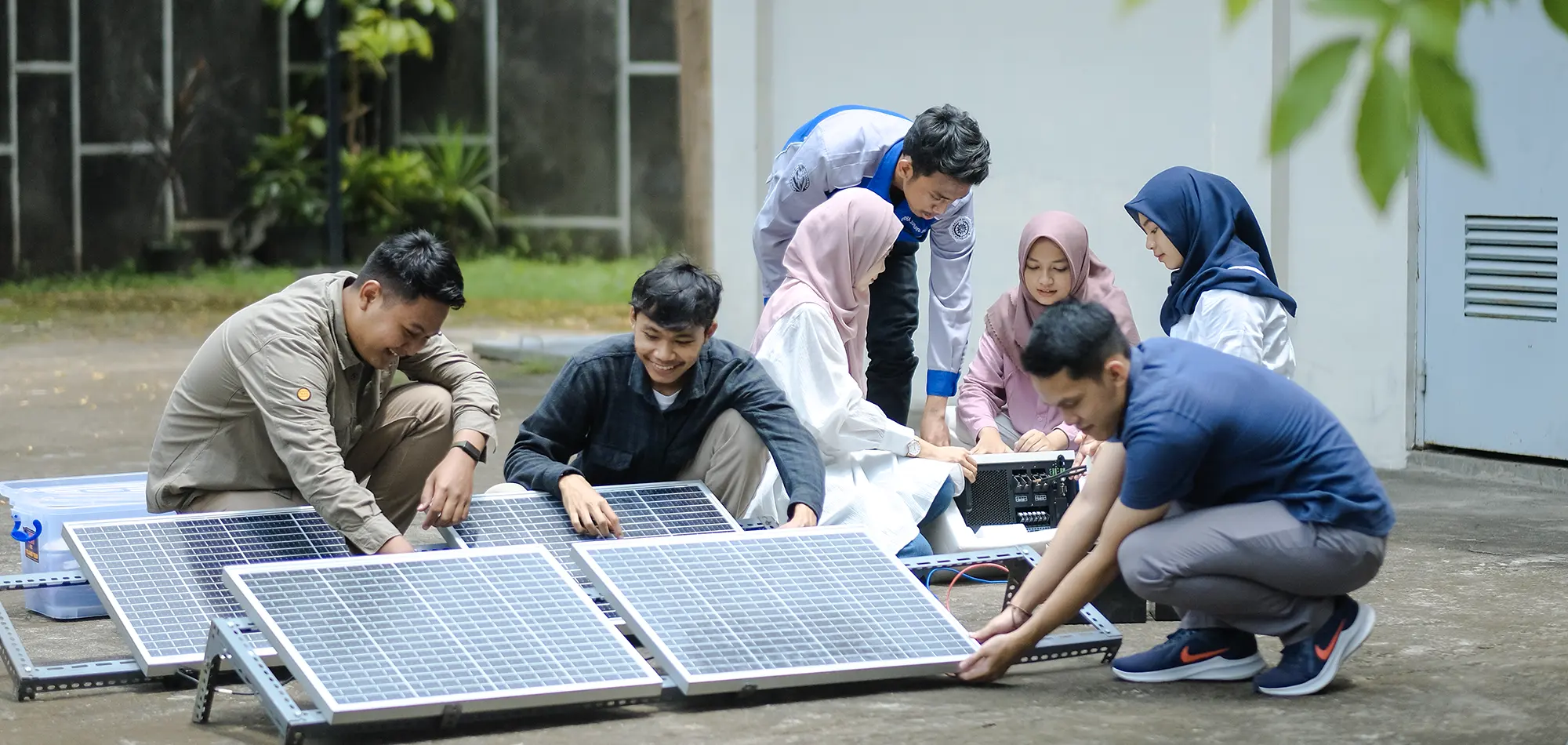
UMS is committed to reducing carbon emissions by utilizing renewable energy sources. Several buildings at UMS have incorporated solar panels, such as the Main Building Siti Walidah and the Edutorium. UMS also continues to conduct research and development on renewable energy, including the development of electric vehicles, among other initiatives.
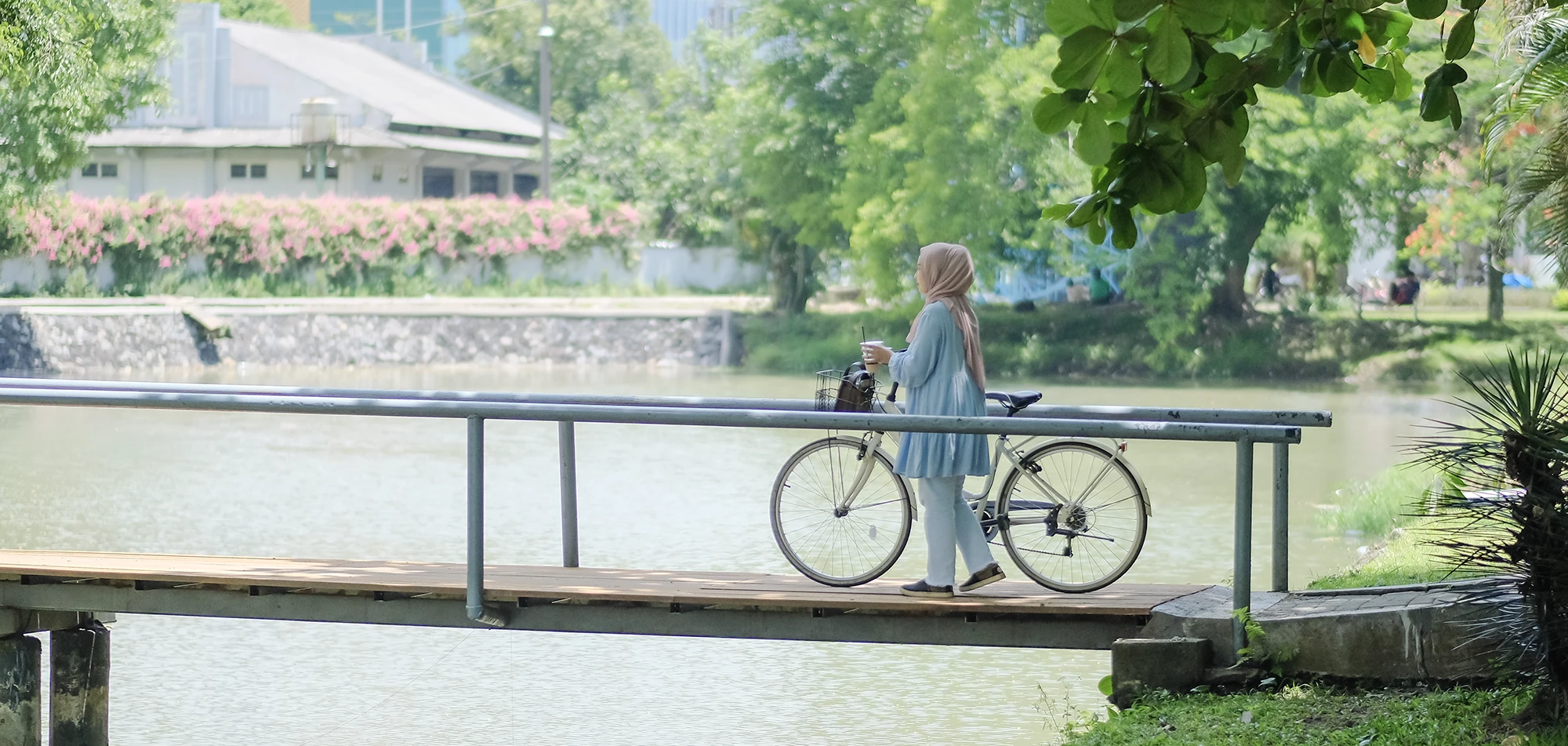
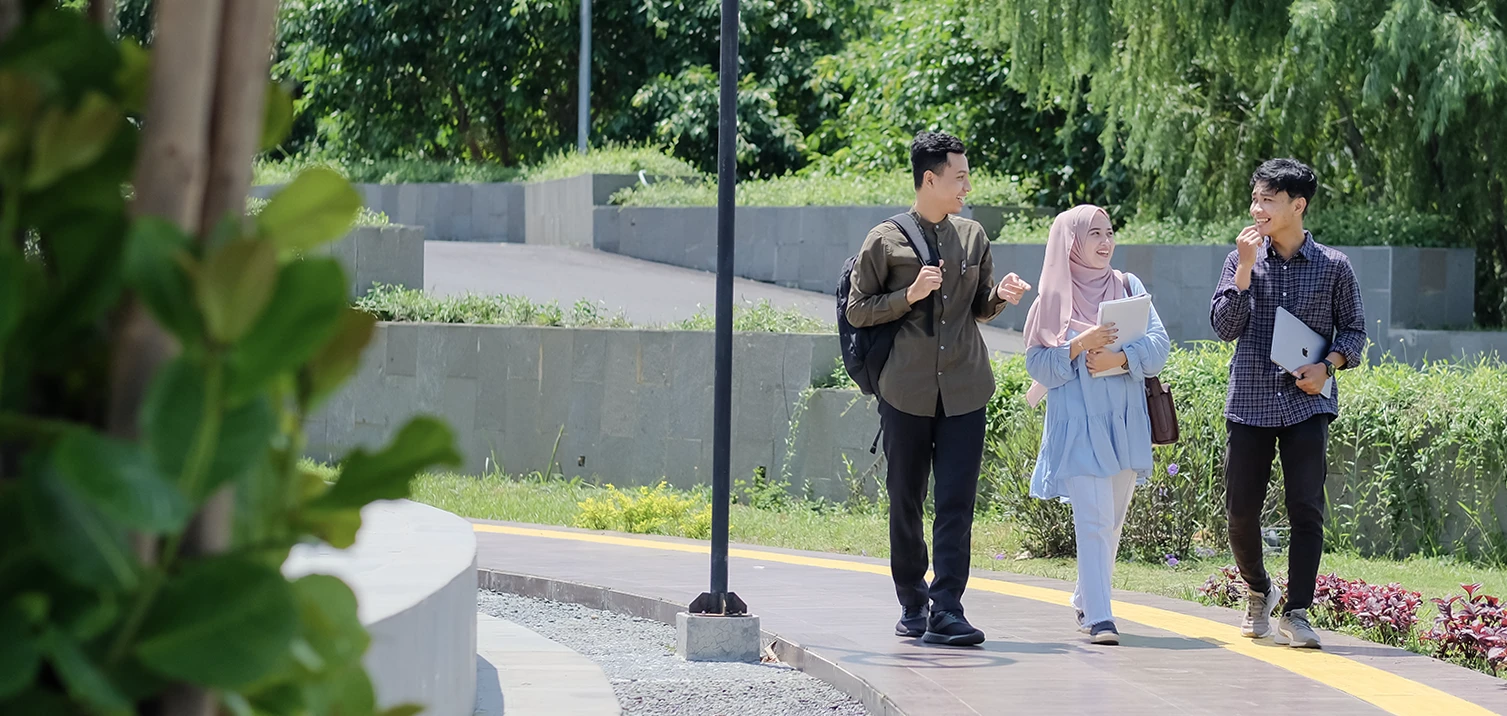
As an effort to contribute to reducing air pollution, the UMS campus area is designed to be pedestrian and cyclist-friendly. This initiative not only promotes personal well-being but also supports environmental health. Move safely, engage comfortably.
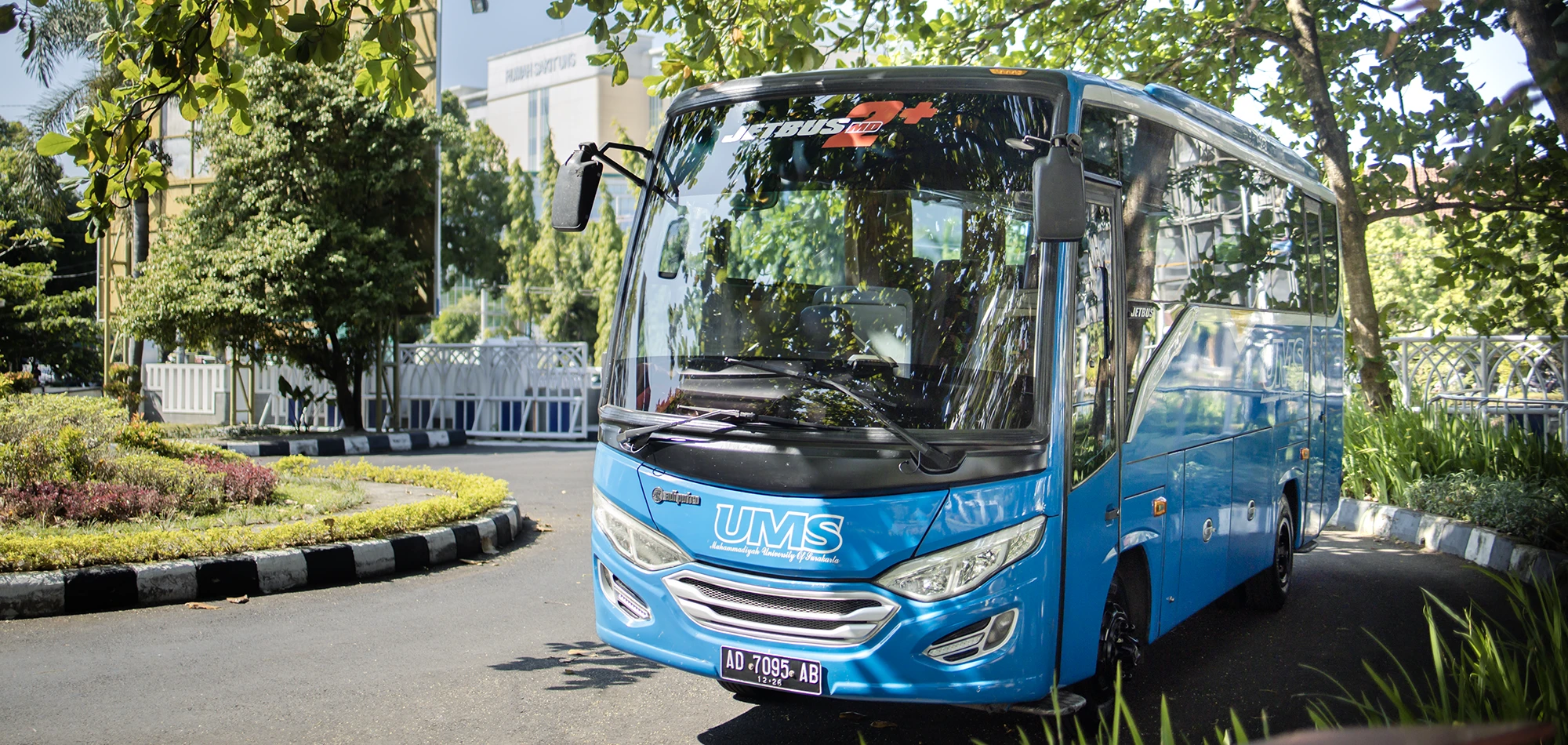
As part of UMS, all students and staff can participate in environmental conservation by parking their private vehicles in the designated parking areas and using UMS public transportation for commuting. Buses and shared vehicles are available and can be accessed through the following link or at https://myaset.ums.ac.id/penggunaan-kendaraan.
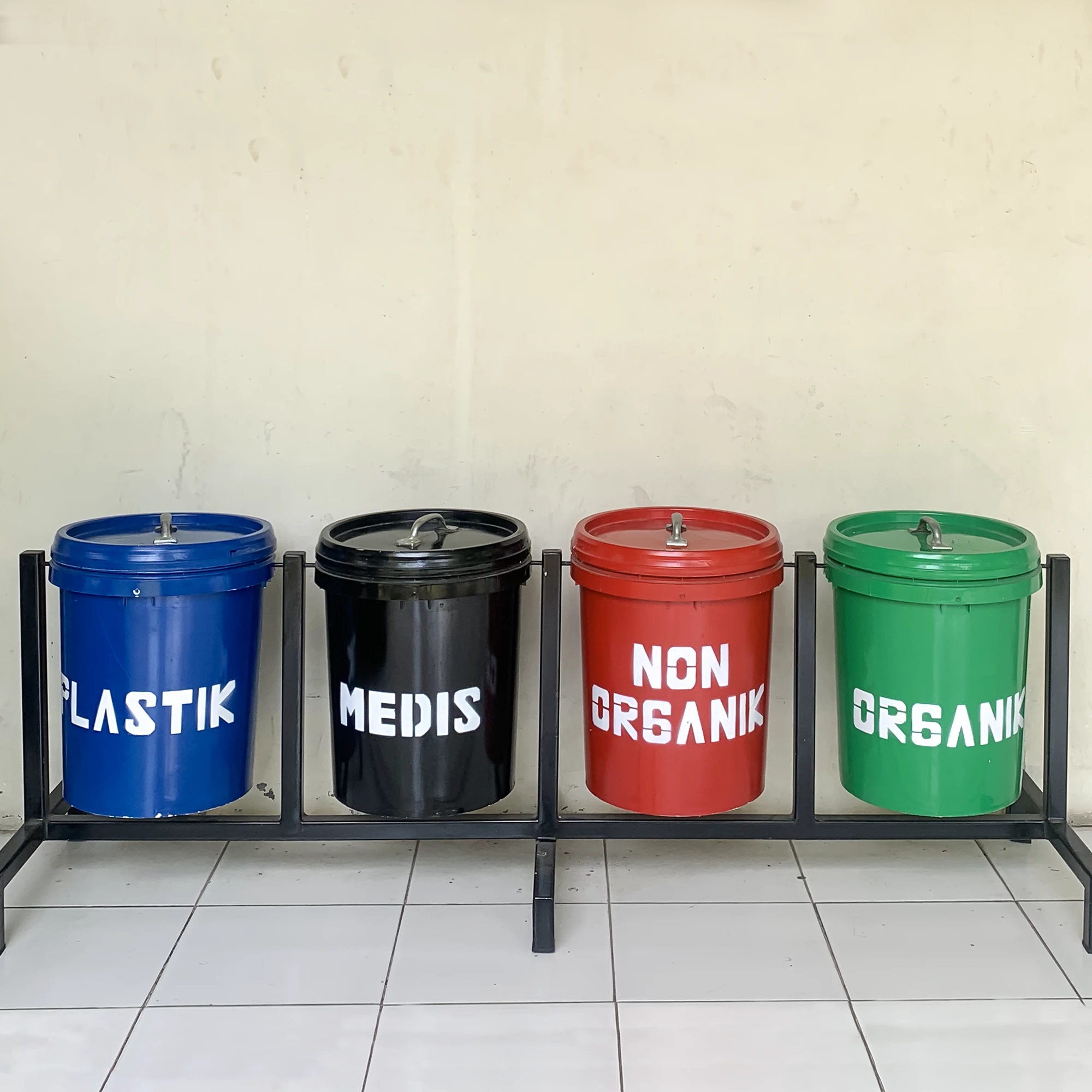
UMS is continuously working towards achieving a waste-free environment through various means, including minimizing paper usage, recycling waste, and implementing other waste reduction initiatives. UMS also consistently encourages all members of the academic community to reduce waste from items such as water bottles, plastics, and more.

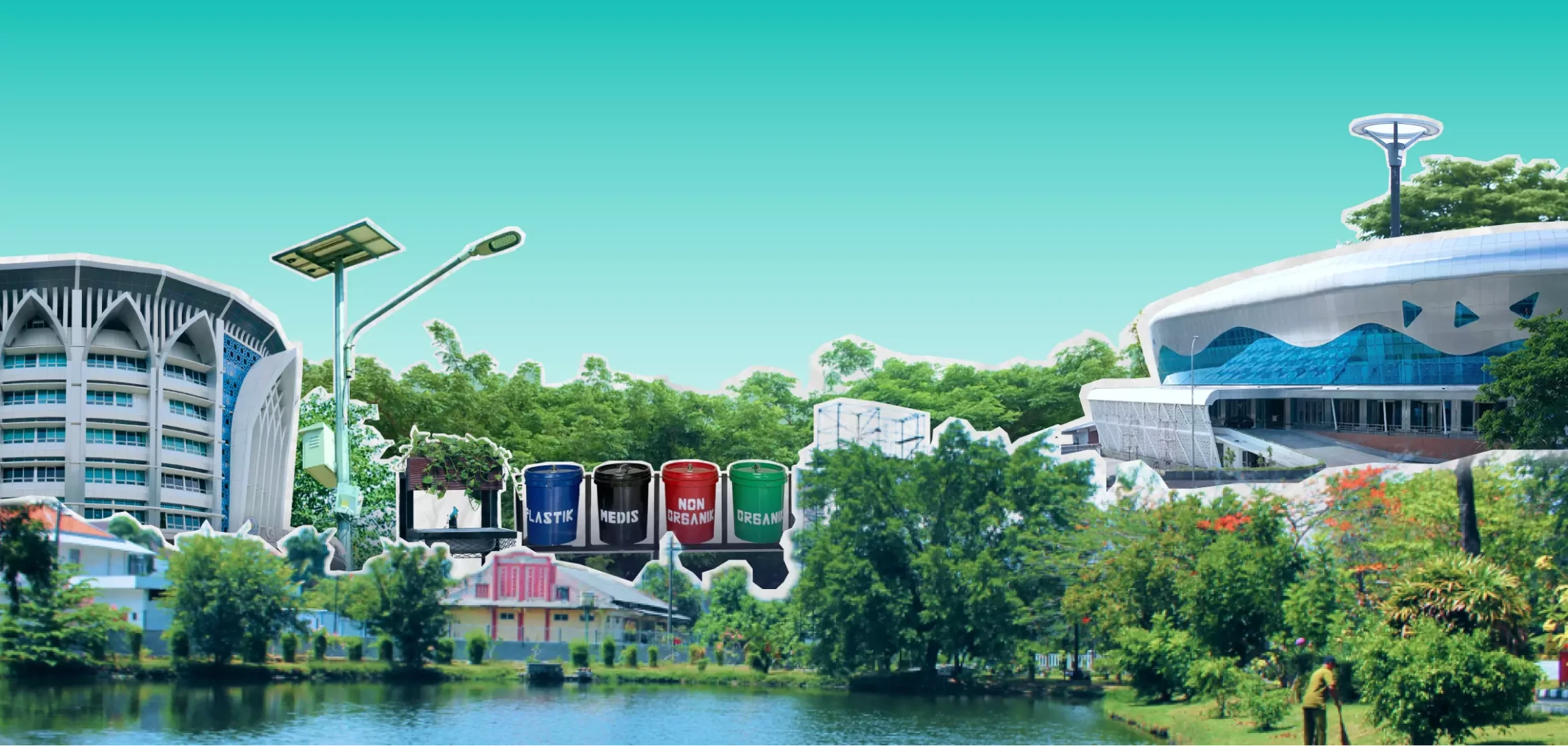
Waste management is a tangible demonstration of UMS's commitment to environmental conservation. Waste is sorted into organic, non-organic, and hazardous categories. Organic waste is processed for reuse. Non-organic waste is recycled for further use. Hazardous waste is carefully managed in accordance with applicable regulations
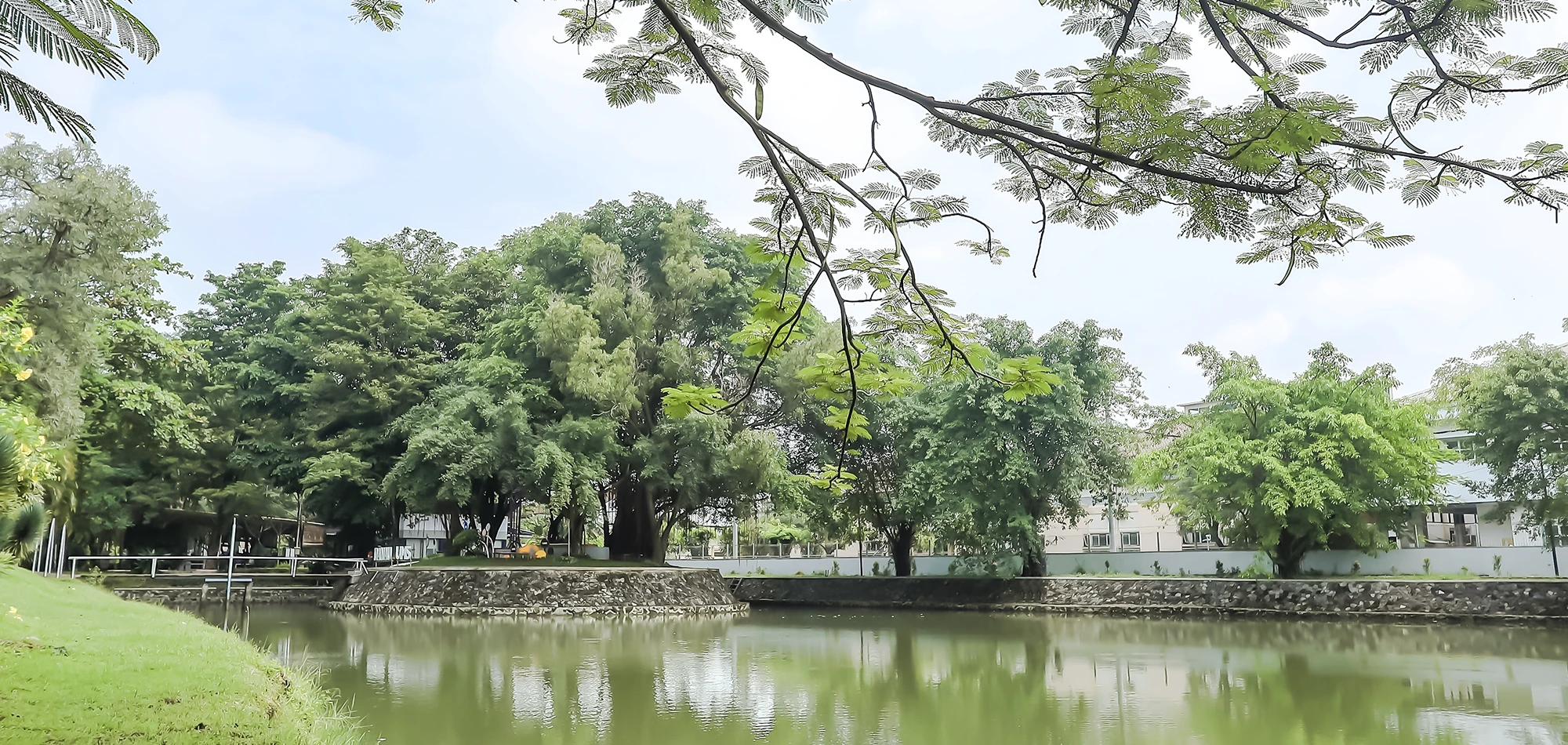
UMS places a strong emphasis on waste management, both the campus premises and its surrounding areas. A notable initiative in this effort is the designation of Lake Salsabila, serving as a reservoir for rainwater. This valuable resource is efficiently used for irrigation purposes throughout the campus.
UMS boasts a verdant campus that prioritizes environmental conservation. Every corner of the campus is adorned with trees, providing shade and a refreshing beauty. Trees offer more than just aesthetic benefits; they play a crucial role in maintaining air quality, providing a healthy environment, and creating a comfortable and tranquil atmosphere for all students. With an abundance of trees, we are committed to protecting the environment and preserving the natural beauty of our campus.

Do we still often feel anxious about the completeness of our salah? Islam deeply understands the forgetful nature of human beings by the rule of sujud sahwi.