
Diabetes Now Threatens Working-Age Adults
4 February 2026
Young people are no longer immune to diabetes. An unbalanced lifestyle has led many to be diagnosed only after serious complications have already set in.


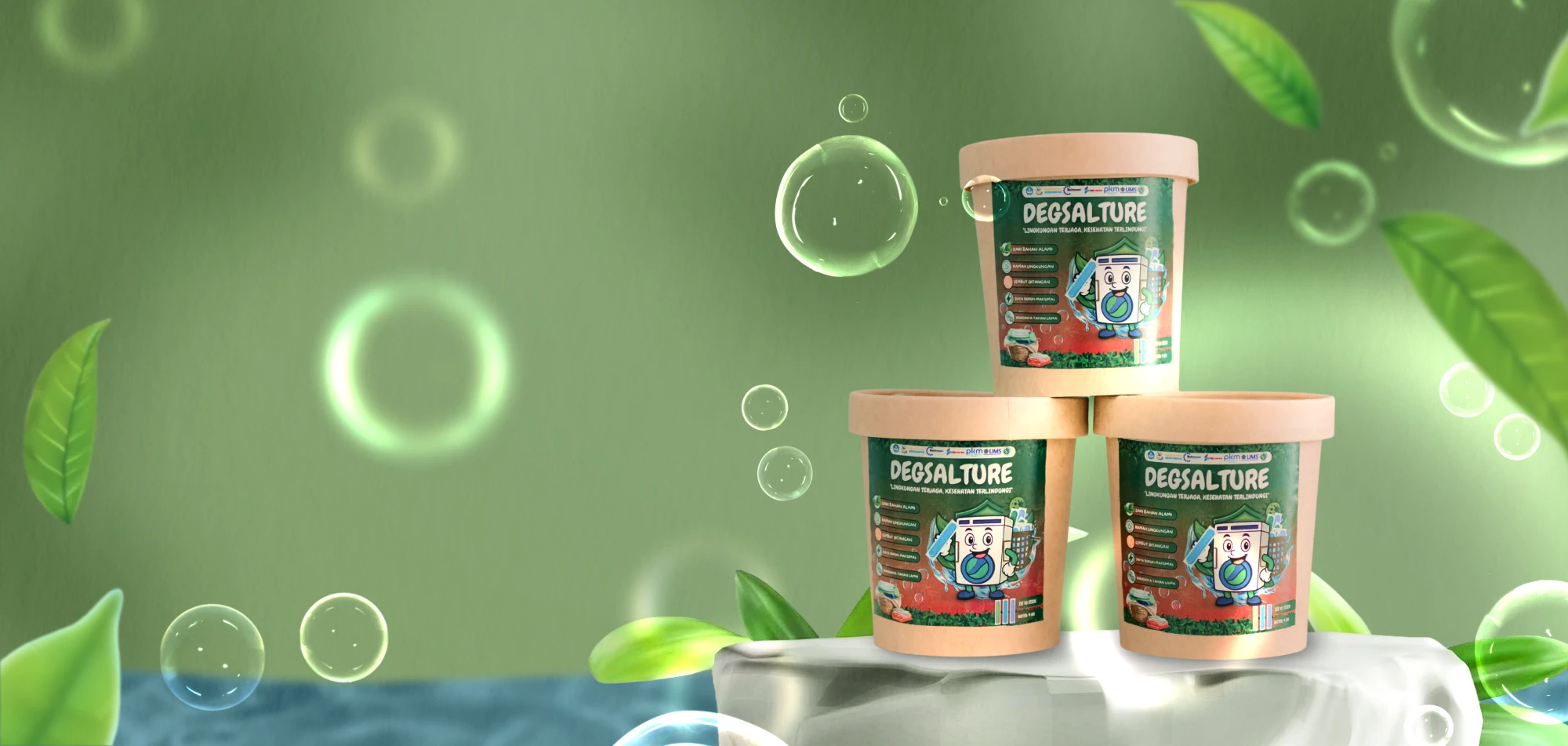
Detergent is one of the most frequently used household products. Every day, millions of liters of soapy water flow from wash basins into drains, rivers, and eventually the sea.
Behind the seemingly harmless foam, detergent waste contains chemical substances that are difficult to break down. This leads to a decline in aquatic biodiversity, and detergent waste that seeps into the soil also contaminates water sources.
Health wise, commercial detergents often contain SLS (sodium lauryl sulfate) or synthetic cleaning agents known for producing excess foam but leaving harmful residues. Users with sensitive skin often experience a burning sensation due to the SLS content, and in some cases, it can even trigger skin irritation.
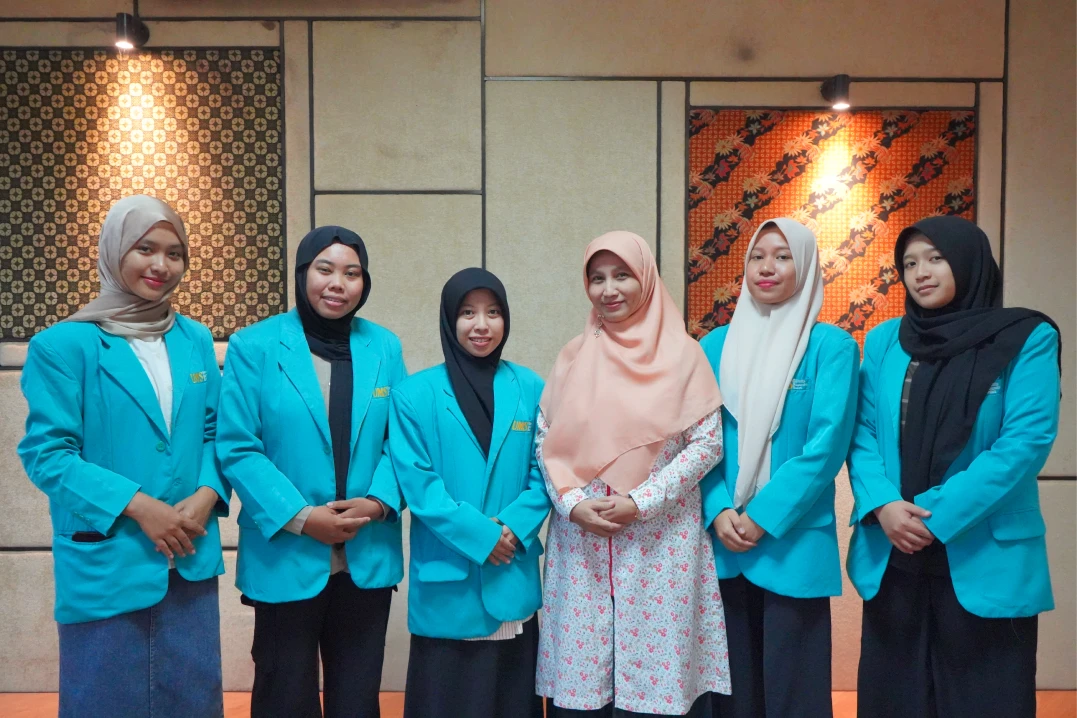
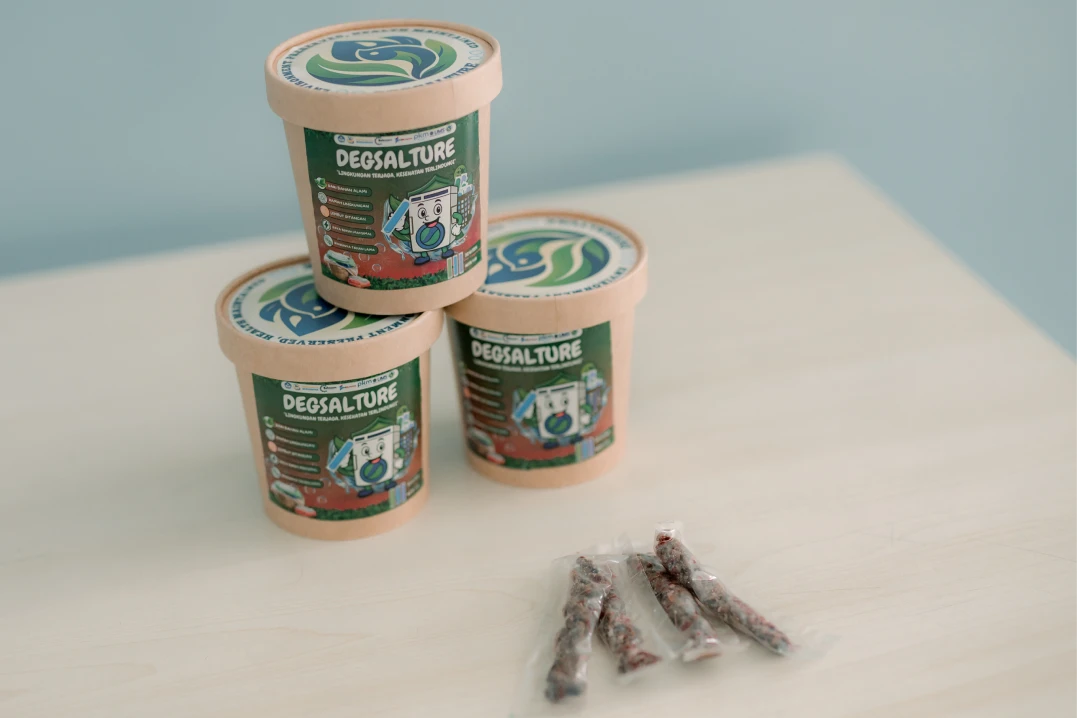
These concerns prompted five students from Universitas Muhammadiyah Surakarta (UMS) to develop a solution. They named their innovation Degsalture, an eco-friendly detergent in stick form, wrapped in edible film made from cassava starch.
According to the team leader, Yulia Fitriyani, Degsalture began from a simple concern: the ever-growing volume of detergent waste, especially from laundry businesses. “I often see drains full of foam from laundry. When it rains, all of it gets washed into the river. Meanwhile, the chemicals are really harmful,” said the UMS Biology Education student, Thursday (11/12/2025).
That concern was shared by her teammates: Intan Mega Puspita (Biology Education), Raisya Najwatu Zahra (Biology Education), Hilda Putri Aulia (Chemical Engineering), and Agviolisa Kusuma Wardhani (Pharmacy). They recognized the urgent need for a detergent that not only cleans effectively but is also safe for the environment and gentle on the skin.
Yulia and her team eventually agreed to formulate a detergent free from SLS, bleach, and phosphates, chemical substances that contribute significantly to environmental and health problems.
As stated in their proposal, these conditions make detergent use one of the largest sources of domestic pollution in Indonesia. In urban areas, household waste, including detergent, constitutes a significant portion of river pollution, especially in regions with a high density of home-based laundry businesses.
Degsalture is developed using two key natural ingredients, one of which is guava leaves. Yulia explained that guava leaves (Psidium guajava L.) contain various active compounds such as alkaloids, phenolics, steroids, flavonoids, terpenoids, quinones, tannins, and saponins, all of which aid the cleaning process without harming aquatic environments.
A similar benefit is also found in sage leaves (Salvia officinalis L.). Referring to Alhasyimi (2016), the team noted that sage leaves contain vitamins A, C, and E, flavonoids, saponins, zinc, and various active compounds that function as antioxidants, antibacterial, antifungal, anti-inflammatory, antiviral, and even antiallergic agents.
“The combination of these two leaves allows Degsalture to have an optimal cleaning power without harming the environment, while remaining safe for sensitive skin,” said Yulia.
These ingredients are then combined with protease enzymes to effectively remove protein-based stains such as sweat and food residue. “We want to maintain detergent functionality without compromising ecological aspects,” Yulia explained.
The research process did not happen overnight. This idea began developing when Yulia joined a scientific essay competition at Universitas Negeri Surabaya in 2024, before deciding to carry it forward and submit it to the Student Creativity Program (PKM) under the Directorate General of Higher Education, Research, and Technology (Ditjen Diktiristek) in 2025.
The early research phase involved a series of laboratory tests, from pH testing and organoleptic assessments to moisture-level testing, conducted at the Balai Pengujian dan Sertifikasi Mutu Barang (BPSMB) Kota Surakarta. These steps aimed to ensure that the detergent remained stable, safe to use, and retained its cleaning effectiveness.
“Alhamdulillah, the results matched our expectations. There were no major obstacles. So we submitted it to PKM 2025 and passed the funding stage,” added the fifth-semester student.
With the guidance of their supervising lecturer, Endang Setyaningsih, S.Si., M.Si., Yulia and her team refined the formula until it was ready for the market. They ensured Degsalture remained stable before entering larger-scale production and adjusted the production method so the product could meet initial commercialization standards.
Beyond being water-friendly, Degsalture also prioritizes sustainability in its packaging. Its outer box is made from biodegradable cardboard.
“We didn’t want to solve one problem while creating another, like plastic waste,” Yulia said. The team designed the packaging and logo by themselves, along with the branding process to ensure the product is easily recognizable to consumers.
The first batch of Degsalture totaled 50 packages, which was displayed in social media, Shopee, Tokopedia, and TikTok Shop. Each pack of Degsalture, containing 10 sticks, is priced at Rp23,000.
“Our biggest challenge now is education. Many people choose cheap detergents without considering their impact on the environment and skin health. SLS-based detergents sold on the market are extremely cheap, and we also have to compete on price,” Yulia expressed with concern.
Degsalture is now entering an advanced development phase. Yulia and her team are designing a liquid-detergent version to deepen their research and explore the potential for a more flexible formulation.
They also plan to join international competitions focused on environmental innovation, collaborating with guava and sage farmers to build a more sustainable supply chain. The team has also begun processing Intellectual Property Rights (HAKI) for the Degsalture poster as an initial step toward protecting their intellectual assets before moving to larger-scale production.
Degsalture itself has secured a Business Identification Number (NIB) through the Online Single Submission (OSS) system. “We hope Degsalture can enter a wider market in the future,” she said.
Detergent may seem like a small, everyday necessity. Yet the waste it produces can become a serious problem for aquatic ecosystems if left unmanaged.
Degsalture stands as a small embodiment of Yulia and her team’s commitment to change, showing that cleaning clothes does not have to harm the environment or compromise skin health. “We want people to understand that good washing habits aren’t only about clean clothes, but also about not neglecting the sustainability of our planet,” she concluded.
Writer: Genis Dwi Gustati
Translator: Farizal Luqman Majid
Editor: Al Habiib Josy Asheva
Young people are no longer immune to diabetes. An unbalanced lifestyle has led many to be diagnosed only after serious complications have already set in.

The AI assistant Grok has drawn public backlash after being used to generate obscene content without user consent.


Child grooming has once again come under the spotlight through the book Broken Strings by Aurélie Moeremans. The work exposes the subtle forms of manipulation behind sexual violence against children, practices that demand serious public awareness.
Nothing’s more special than reading curated news just for you.
Subscribe to the UMS Newsletter for free today.